The capability almost no Philippine firm offers. Deconstructing malicious software, compromised firmware, counterfeit hardware, and obfuscated code—rebuilding the attacker’s intent, methodology, and identity from the binary level up.
When a highly sophisticated cyberattack, intellectual property theft, or hardware compromise occurs, standard digital forensics is often not enough. Standard forensics will tell you that a malicious file exists on a server; Reverse Engineering Forensics tears that file apart line by line to tell you exactly who built it, how it communicates, and what it was programmed to destroy.
Greyhawk Manila operates the most advanced reverse engineering laboratory in the region. Powered by our proprietary Jera 5.0 platform and utilizing NSA-grade and industry-standard disassemblers—including IDA Pro, Ghidra, Radare2, x64dbg, Binary Ninja, and OllyDbg—we deconstruct the digital DNA of cyber threats and intellectual property theft. We provide court-admissible evidence used in APT attribution, IP theft prosecution, complex malware investigations, and device compromise cases.
Greyhawk is the only digital forensic firm in the Philippines offering these advanced, highly specialized reverse engineering services to the corporate and legal sectors.
Disassembling malicious binaries to extract attacker TTPs, C2 infrastructure, encryption keys, and unique code signatures that link the malware to known threat actors or APT groups.
Extracting and analyzing firmware from IoT devices, routers, CCTV systems, and industrial controllers — identifying vulnerabilities, backdoors, and unauthorized modifications.
Using reverse engineering to prove software code theft, algorithm misappropriation, and trade secret violation — producing court-admissible evidence of IP infringement.
Decompiling and analyzing mobile applications to uncover hidden functionality, data exfiltration mechanisms, counterfeit apps impersonating legitimate services, and embedded surveillance code.
Decoding deliberately obfuscated, encrypted, or packed code designed to hide criminal activity — unpacking the layers to expose the true functionality of tools used by threat actors and corporate fraudsters.
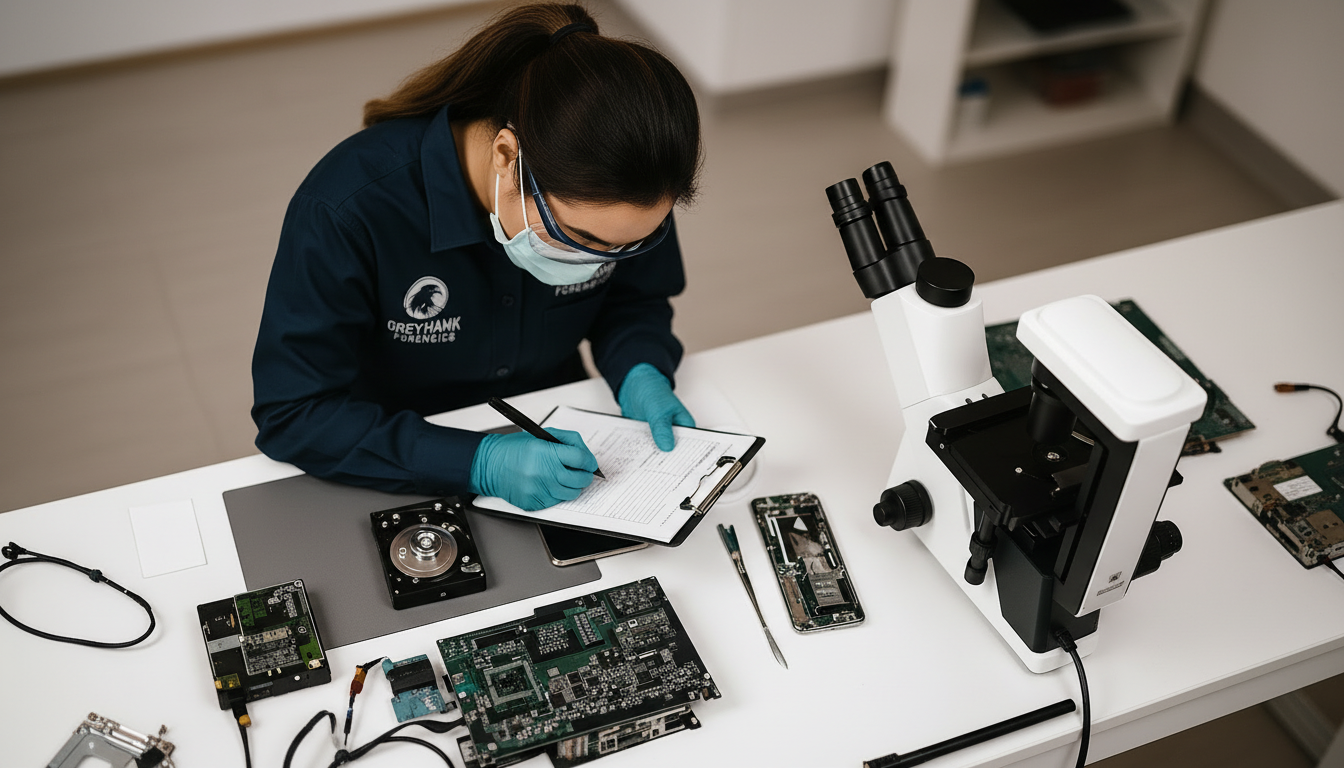
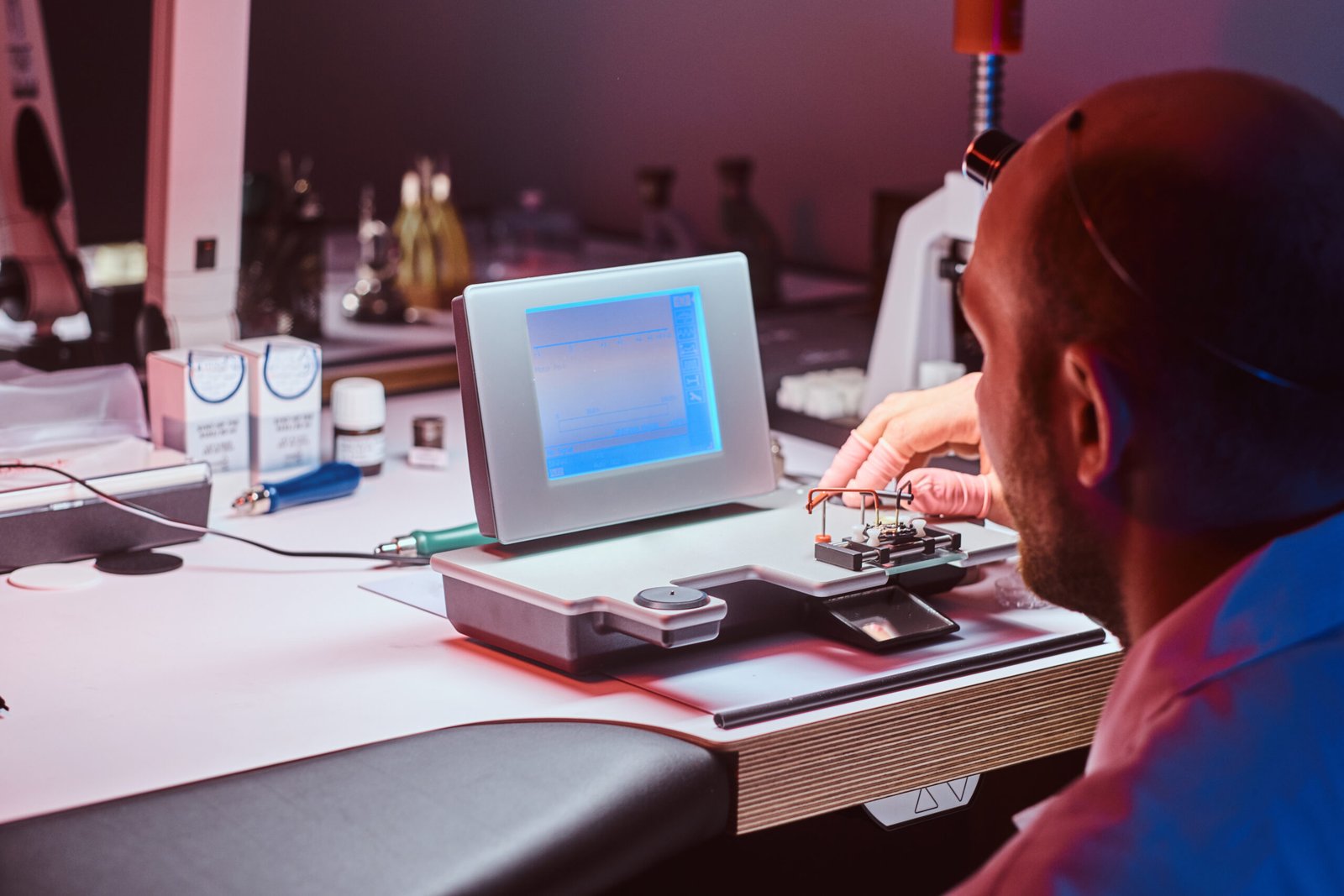
Physical and logical examination of hardware devices — from ATM skimmers and counterfeit POS terminals to tampered voting machines and modified IoT devices — using microcontroller analysis and circuit board examination.
Recovering evidence from legacy, undocumented, and abandoned software systems — reconstructing source code from binaries when no documentation exists, for litigation, IP recovery, and corporate continuity investigations.
When surface-level investigations fall short, Greyhawk extracts the truth directly from the code and the silicon. Whether you are attributing a sophisticated cyberattack, proving the theft of your proprietary software, or reclaiming control of undocumented legacy systems, our reverse engineering laboratory provides the undeniable technical clarity you need to act decisively.
Digital Forensics generally focuses on finding evidence (e.g., recovering a deleted file, finding an unauthorized login log). Reverse Engineering focuses on deconstructing the evidence. If standard forensics finds a suspicious executable file, RE rips that file apart into machine code to understand exactly what it was programmed to do, where it sends stolen data, and who wrote it.
Yes. Even if the competitor only releases a compiled, finished application, we can use tools like Ghidra and IDA Pro to decompile their binary. We then create mathematical “Control Flow Graphs” (CFGs) to compare the core logic of their software against yours. If they stole your proprietary algorithms, we can prove it in court, even if they changed the variable names to try and hide it.
Reverse engineering is legal when performed under specific, authorized contexts. This includes analyzing malware to protect a network, interoperability testing, or when legally authorized by the owner of the hardware/software (or under a court order) to investigate intellectual property theft or security vulnerabilities. Greyhawk operates strictly within the bounds of international IP law and authorized investigative mandates.
Cybercriminals use “packers” or obfuscation software to scramble their malware so that antivirus programs cannot read it. It is like putting a letter inside a locked safe, and then putting that safe inside a puzzle box. Greyhawk’s analysts specialize in manually defeating these anti-analysis techniques to pull the original, readable malicious code out of the box.
Yes. This falls under our Legacy System & Abandoned Software Forensics. We can physically extract the binary firmware from the microchip on the circuit board (via SPI or JTAG dumping) and decompile it. We can then annotate the code to figure out how it works, allowing your new engineers to understand and maintain the system.
Do not let encrypted malware, locked hardware, or stolen code go unchallenged. Greyhawk’s reverse engineering laboratory provides the deep technical clarity required to win complex legal battles and attribute sophisticated cyberattacks.
Disclaimer: Greyhawk Forensics and Cybersecurity provides expert technical investigations, digital evidence recovery, and forensic analysis. We are not a law firm and do not provide legal representation or advice. While our forensic methodologies are meticulously designed to comply with multi-jurisdictional legal standards—including the US Federal Rules of Evidence (FRE), UK ACPO principles, Philippine Rules on Electronic Evidence (REE), and broader international protocols—the final admissibility of any evidence is ultimately determined by the presiding judge, tribunal, or judicial authority in the respective jurisdiction. We highly recommend consulting with your retained legal counsel regarding case strategy and the integration of our forensic findings into your specific legal proceedings.